
Soft Washing in Kenner, Louisiana: A Homeowner Guide
Soft washing in Kenner, Louisiana uses low pressure and a cleaning solution to clear algae, mildew and grime from siding and flat surfaces where standing water on flat lots keeps growth holding. This guide explains what soft washing covers, where it fits, and how a homeowner should approach it.
By Cooper Catalanotto. Last updated September 14, 2026.
Why soft washing exists as a separate method
Soft washing developed as a distinct method because some surfaces cannot take the force of pressure washing without damage, and some growth cannot be cleared by force alone. The method uses a cleaning solution applied at low pressure, given time to break the bond between the growth and the surface, and then rinsed with a gentle stream. The pressure is low enough that it will not cut paint, etch a surface, or drive water behind siding, and the solution does the work that pressure would otherwise have to do. On a home where algae has rooted into the siding or where the finish is thin, soft washing clears the growth without the risk that a hard stream would bring. The method is not slower because the crew works less, it is slower because the solution needs time to act, and that dwell time is what makes it effective. Understanding the distinction helps a homeowner ask whether soft washing or pressure washing is the right method for the surface in question, and the answer depends on the material and what is growing on it.
Where soft washing fits on a Kenner property
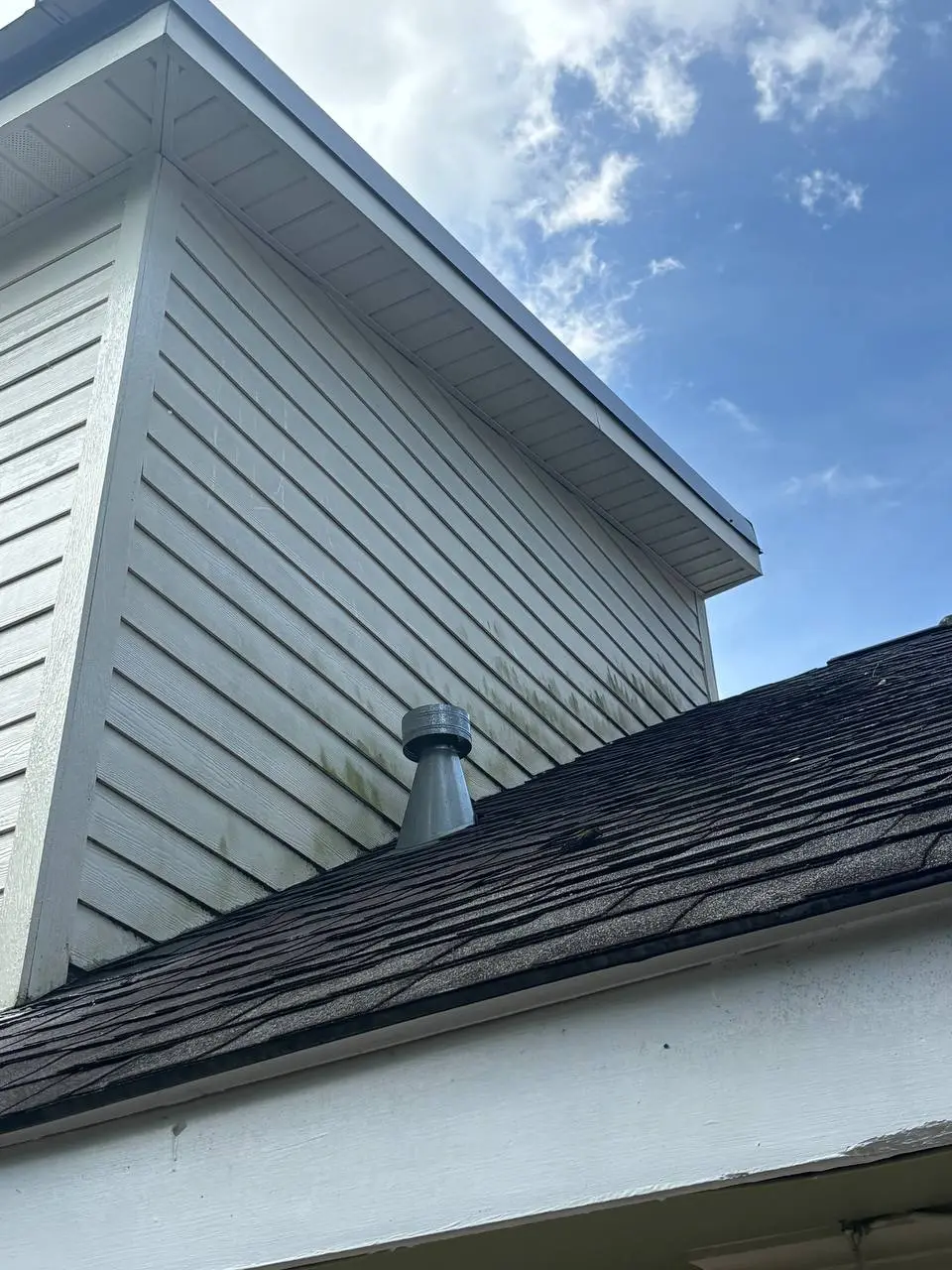
Kenner sits on flat ground, and that flat grade is what makes soft washing useful here. Water that stands after rain keeps the lower walls, the shaded sides and the flat surfaces damp longer than a sloped lot would, and that moisture is what algae and mildew need to hold. Soft washing fits on the siding, the trim, the soffits and the fascia, where a gentle rinse clears the growth without forcing water behind the walls. It also fits on flat surfaces like pool surrounds, screen enclosures and low walls, where the material is too soft for pressure washing but too dirty for a plain rinse. On a Kenner property, the flat grade means water does not run off quickly, so the growth has more time to set, and the cleaning solution is what breaks that set before the rinse. A homeowner walking the property can see where the damp faces hold growth, and those are the surfaces where soft washing is the right call. The method is not for every surface, but on the ones where it fits, it clears what pressure washing would damage and what a hose would leave behind.
How the cleaning solution works
The cleaning solution used in soft washing is a biocide, meaning it kills the organic growth on the surface so the rinse can clear it. The solution is applied at low pressure, sprayed onto the siding or the flat surface, and given time to sit. That dwell time is what sets soft washing apart from a pressure wash: the solution breaks the bond between the algae, the mildew or the grime and the surface, so the rinse that follows does not need force to lift it. The solution is typically diluted to a concentration that is effective on organic growth but safe for the surface and the surrounding plants, and the crew rinses the plants and the surrounding areas before and after the application to protect them. The solution is not a coating and it is not a sealant, it is a cleaner, and it is rinsed off the surface once the growth is broken. A homeowner who asks what is being applied, and how it is diluted, is asking a fair question, and the answer should be straightforward. The solution does the work, the rinse clears it, and the surface is left clean without the force that would damage it.
Which surfaces benefit most from soft washing
The surfaces that benefit most from soft washing are the ones that hold organic growth but cannot take the force of pressure washing. Vinyl siding is the most common, because algae roots into the textured surface and a hard stream can force water behind the panels. Painted wood siding benefits because the finish is thin and pressure can cut through it. Stucco and soft brick benefit because the surface is porous and fragile, and pressure can etch or crack it. Screen enclosures and pool cage frames benefit because the screening and the aluminum are too light for a hard stream. Low walls, mailbox columns and decorative trim benefit because the material is often soft or painted. On all of these, soft washing clears the algae, the mildew and the grime without the risk of damage. Surfaces that do not need soft washing are the ones that can take pressure: concrete driveways, concrete walks and heavy masonry, where pressure washing is the faster and more effective method. The distinction is not about which method is better, it is about which method fits the material. A homeowner who understands this can ask whether the surface in question needs soft washing or pressure washing, and the answer should be based on the material and what is growing on it.
How long the results last on flat lots
The results of a soft wash last as long as the conditions that caused the growth stay the same, and on a flat lot in Kenner, those conditions include standing water, shade and humidity. A soft wash kills the organic growth on the surface and clears it, but it does not change the grade, the shade or the moisture that let the growth return. On a siding face that gets sun, the results can hold for a year or more, because the sun dries the surface and keeps algae from setting. On a shaded face or a lower wall where water stands, the growth may return sooner, because the moisture is still there. The cleaning solution leaves no residue that prevents future growth, so the question of how long the results last is really a question of how fast the conditions bring the growth back. A homeowner who watches the shaded faces after a wash can see when the algae starts to return, and that is the signal that the next wash is due. There is no fixed interval, because every wall faces a different mix of sun, shade and moisture, and the siding shows the result of that mix faster than any calendar can predict.
What soft washing does not do
Soft washing is a surface clean, and it helps to know what it does not do. It does not strip paint, because the pressure is too low to lift a sound finish, and a soft wash will not prepare a surface for painting. It does not remove rust stains or oil stains, because those require a different cleaner and a different method. It does not clean the roof, because roof cleaning is a separate service with its own method and safety considerations. It does not repair damaged siding, trim or fascia, because washing does not fix rot, cracks or loose boards. It does not seal or coat the surface, because that is a separate step with its own products and curing time. It does not change the grade or the drainage that caused the growth, so the growth will return if the conditions stay the same. A homeowner who expects a soft wash to fix a streak caused by a gutter leak will be disappointed, because the streak will return if the gutter keeps overflowing. Knowing what the method does and does not do keeps the expectations clear and the result honest.
Planning soft washing around the Kenner climate
The Kenner climate is humid and warm for most of the year, and that humidity is what keeps organic growth holding on shaded and damp surfaces. Planning soft washing around the climate means watching the shaded faces and the lower walls, because those are the surfaces that show growth first and need the work soonest. A wash in the spring clears the pollen and the algae before the humid summer sets in, and a wash in the fall clears the growth that built up over the summer before it sits through the damp winter. The timing is not critical, because the method works in any season, but a homeowner who washes before the growth gets thick spends less time under it and keeps the siding in better condition. The flat grade means water stands after rain, so the lower walls and the flat surfaces are the ones to watch, and a walk-through after a rain shows where the water sits and where the growth will return. The climate sets the pace, and the surfaces show when the pace has been exceeded.
Keep reading
Read the soft washing page for the method and the deliverables, or the Kenner area page for how the seasons and the property type shape the work there. Related reading: House Washing in River Ridge, Louisiana: A Homeowner Guide and Driveway Cleaning in Metairie, Louisiana: A Homeowner Guide. Or see the project gallery for before and after photographs of finished work.