
Post-Storm Cleanup in Harahan, Louisiana: A Homeowner Guide
Post-storm cleanup in Harahan, Louisiana clears storm debris, mud and organic growth from driveways, walks and siding after a weather event, and the work is sequenced to avoid re-soiling clean surfaces. This guide covers what the service includes and how to plan it.
By Cooper Catalanotto. Last updated September 14, 2026.
What a storm leaves behind
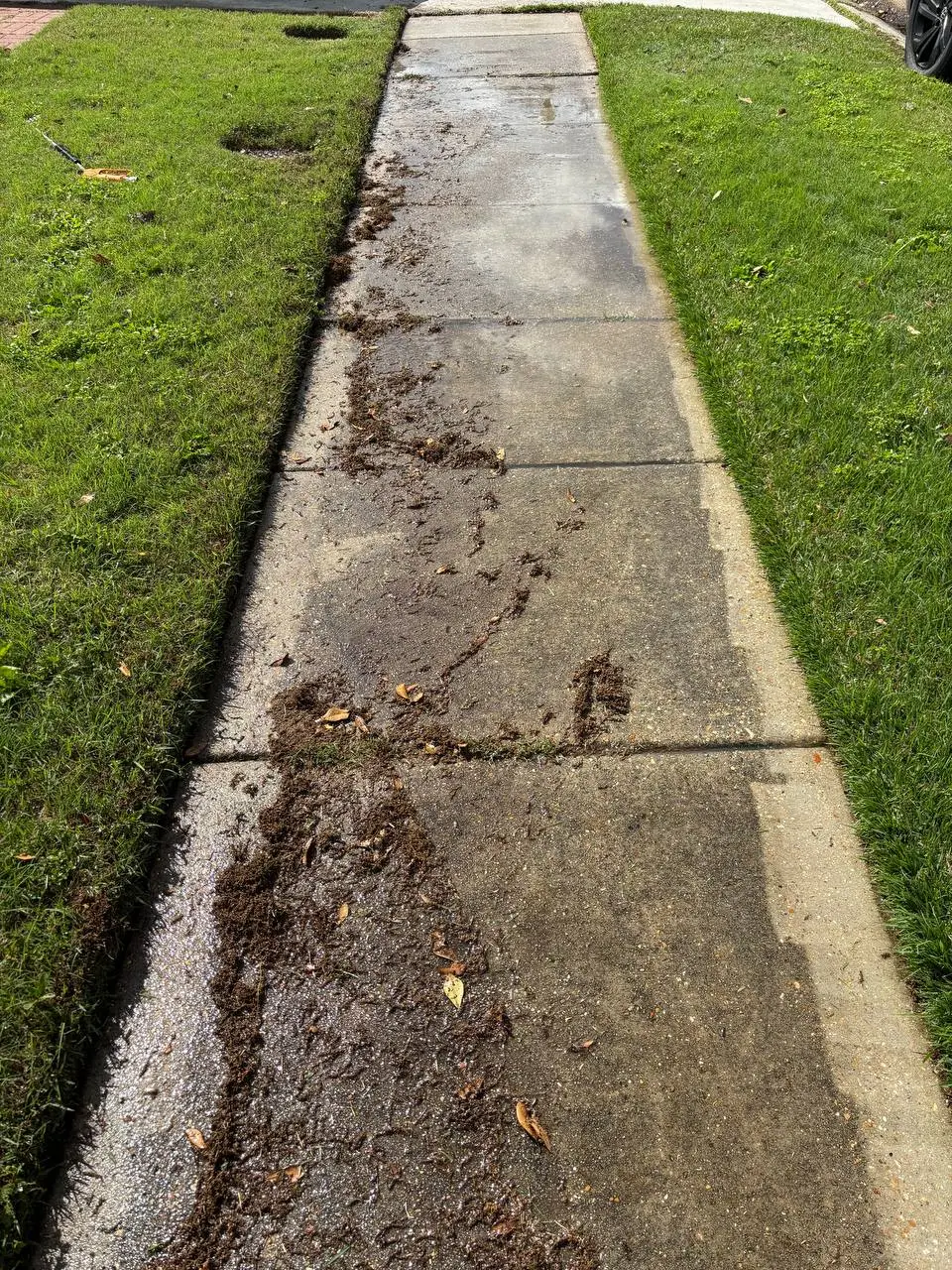
A storm in Harahan leaves a mix of debris, mud and organic matter on the surfaces around a home. The wind blows leaves, branches and sometimes larger limbs onto the driveway, the walks and the yard, and the rain washes silt and mud across the concrete and the siding. The gutters and the downspouts are often clogged with storm debris, and the overflow runs down the siding and leaves streaks. The flat surfaces, the driveway and the walks, hold the mud and the debris because the water does not run off quickly, and the organic matter sits on the concrete and starts to stain. The siding may have mud splashed up from the ground, and the shaded sides may have a fresh layer of algae that the rain and the humidity encouraged. The result is a property that reads dirty and disordered after the storm, and the cleanup is the work that clears it. Understanding what the storm left behind is the first step in planning the cleanup, because the debris, the mud and the growth each need a different step, and the order of those steps is what keeps the work from being undone.
Why cleanup is sequenced
The sequence of a post-storm cleanup is what makes the work effective, because doing the steps out of order re-soils the surfaces that were just cleaned. If the surfaces are washed before the debris is cleared, the wash pushes the mud and the leaves across the concrete and into the clean sections, and the work has to be done again. If the gutters are washed before the downspouts are cleared, the overflow runs down the siding and leaves the streaks that the wash was meant to remove. The right sequence is to clear the debris first, then clear the gutters and the downspouts, then wash the flat surfaces, and then wash the siding. That order keeps the dirt moving off the property rather than across it, and it keeps each step from undoing the one before it. The sequence is not complicated, but it is the part of the work that a homeowner should understand, because it is what makes the difference between a cleanup that clears the property and one that moves the mess from one surface to another. The crew should walk the property and settle the sequence before the work starts, so the order is clear.
How debris is cleared first
The first step in a post-storm cleanup is clearing the debris, and it is done before any washing begins. The leaves, the branches and the limbs are removed from the driveway, the walks and the yard, and bagged or hauled away. The mud and the silt that washed onto the concrete are shoveled or swept up before the wash, because washing a thick layer of mud just spreads it across the surface. The gutters and the downspouts are checked and cleared, because the storm debris is what clogs them, and a clogged gutter will overflow during the next rain and undo the work on the siding. The debris around the downspout discharge points is cleared, because the downspout needs a clear path to carry the water away from the foundation. The yard debris that sits against the siding is removed, because it holds moisture against the surface and encourages the growth that the wash is meant to clear. The debris clearing is the step that takes the most time and the most labor, but it is the step that makes the washing effective, because the wash is clearing what is left, not moving what was there.
How surfaces are washed after debris removal
Once the debris is cleared, the surfaces are washed in the order that keeps the dirt moving off the property. The flat surfaces, the driveway and the walks are pressure washed first, because the mud and the silt that sank into the concrete need the force to lift, and the runoff should be sent toward the street or the drain before the siding is washed. The gutters and the downspouts are flushed to confirm they are running clear, because the storm debris may have left a partial clog that the clearing did not fully resolve. The siding is washed last, with a method matched to the material, because the siding is the surface that the gutter overflow and the mud splashed onto, and it should be washed after the flat surfaces are clear so the runoff from the siding does not run across a dirty driveway. The sequence keeps the dirt moving downhill and off the property, and each step builds on the one before it. The crew should work in a consistent pattern, and the walk-through at the end confirms that every surface is clear and that the runoff went where it was supposed to go.
What to check after the wash
After the wash, a few checks confirm that the cleanup is complete and that the storm did not cause damage that the wash cannot fix. The gutters and the downspouts should be checked during the next rain, because a storm can loosen fasteners or change the slope of a gutter, and a gutter that has lost its slope will hold water even after it is cleaned. The siding should be checked for damage, because wind-blown debris can crack or dent siding, and the wash will clear the mud but not fix the damage. The driveway and the walks should be checked for cracks or settled sections, because the storm water can wash under the concrete and cause a void, and a wash will clear the surface but not the structural issue. The downspout discharge points should be checked, because the storm may have washed out the soil at the discharge and changed the drainage path. The yard should be checked for limbs or debris that were missed, because a second pass is easier than leaving a hazard. These checks are the homeowner part of the cleanup, and they are what catch the issues that the wash was not meant to fix.
What post-storm cleanup does not include
Post-storm cleanup is a clearing and washing service, and it helps to know where the line sits. It does not include tree removal or limb removal from the roof or the structure, because that is a separate scope with its own equipment and safety considerations, and a large limb on a roof is a job for a tree service. It does not include repairs to damaged siding, gutters, downspouts or fascia, because washing does not fix the damage that the storm caused, and a wash over damaged material can drive water into the gaps. It does not include roof repair or roof cleaning, because the roof is a separate surface with its own method and safety considerations. It does not include foundation repair or drainage repair, because the storm may have washed out the soil or changed the grade, and that is a separate scope. It does not include interior water damage repair, because the wash clears the exterior but does not address what got inside. A homeowner who expects the cleanup to fix a damaged gutter, a cracked siding panel or a washed-out drain will need to plan those as separate steps, and a cleanup that clears the debris and the mud is the right first step before any repair. Knowing what the service does and does not cover keeps the expectations clear.
Planning the work after a weather event
Planning a post-storm cleanup is about timing and access, because the work should be done after the storm has passed and the property is safe to walk. The debris should be cleared as soon as possible, because the longer it sits on the surfaces, the more it stains and the harder it is to lift. The gutters should be cleared before the next rain, because a clogged gutter will overflow and undo the work on the siding. The wash should be scheduled for a dry day, because the surfaces need to be dry before the work and the runoff needs a clear path to the street or the drain. The crew should have access to the driveway, the walks and the yard, and the equipment should have a place to stage without blocking the entry or the neighbors. A homeowner who plans the cleanup for the days after the storm, when the property is safe and the weather is dry, gets the work done before the debris sets and before the next rain complicates it. The planning is simple, but the timing is what makes the difference between a cleanup that clears the property and one that has to work around a new layer of rain.
Keep reading
Read the post-storm cleanup page for the method and the deliverables, or the Harahan area page for how the seasons and the property type shape the work there. Related reading: Sidewalk Cleaning in New Orleans, Louisiana: A Homeowner Guide and Gutter Cleaning in Lakeview, Louisiana: A Homeowner Guide. Or see the project gallery for before and after photographs of finished work.